
Why the Tangem Card Feels Like the Most Practical Crypto Hardware Wallet Right Now
Okay, so check this out—I’ve been carrying a Tangem-style card in my wallet for months. Wow! It changed how I interact with crypto day-to-day. At first it felt almost gimmicky, like a novelty credit card with a chip. But then I started using it on the subway, at the coffee shop, and during quick trades on my phone, and something shifted. My instinct said “this is convenient,” and my head later agreed that the convenience doesn’t automatically mean insecurity. Seriously? Yep—seriously. My first impressions were half skepticism, half mild excitement, and that mix stuck around as I dug deeper.
Short version: it’s tiny, it uses NFC, and it stores a private key inside a secure element that never leaves the card. That’s the technical bit, though—let me tell you what that feels like. The card sits flat in your wallet. You tap your phone to it. Your phone prompts the signature. Done. No cords. No cables. No fiddling. Hmm… that ease hides a lot of engineering, and also some trade-offs.
Here’s the thing. On one hand, cards beat carrying a bulky device or trusting a custodial app for small, everyday spends. On the other hand, if you treat a single physical object as the entire key to your crypto kingdom, that feels vulnerable—especially to humans being humans: losing things, spilling coffee, leaving a jacket behind. Initially I thought a single card meant a single point of failure, but then I learned about backup strategies and the fact that Tangem-style systems often support minting backup cards or using multi-signature setups, which changes the risk calculus. Actually, wait—let me rephrase that: a single card without a backup is risky for significant holdings, though for many users combining a card with prudent backups makes sense.
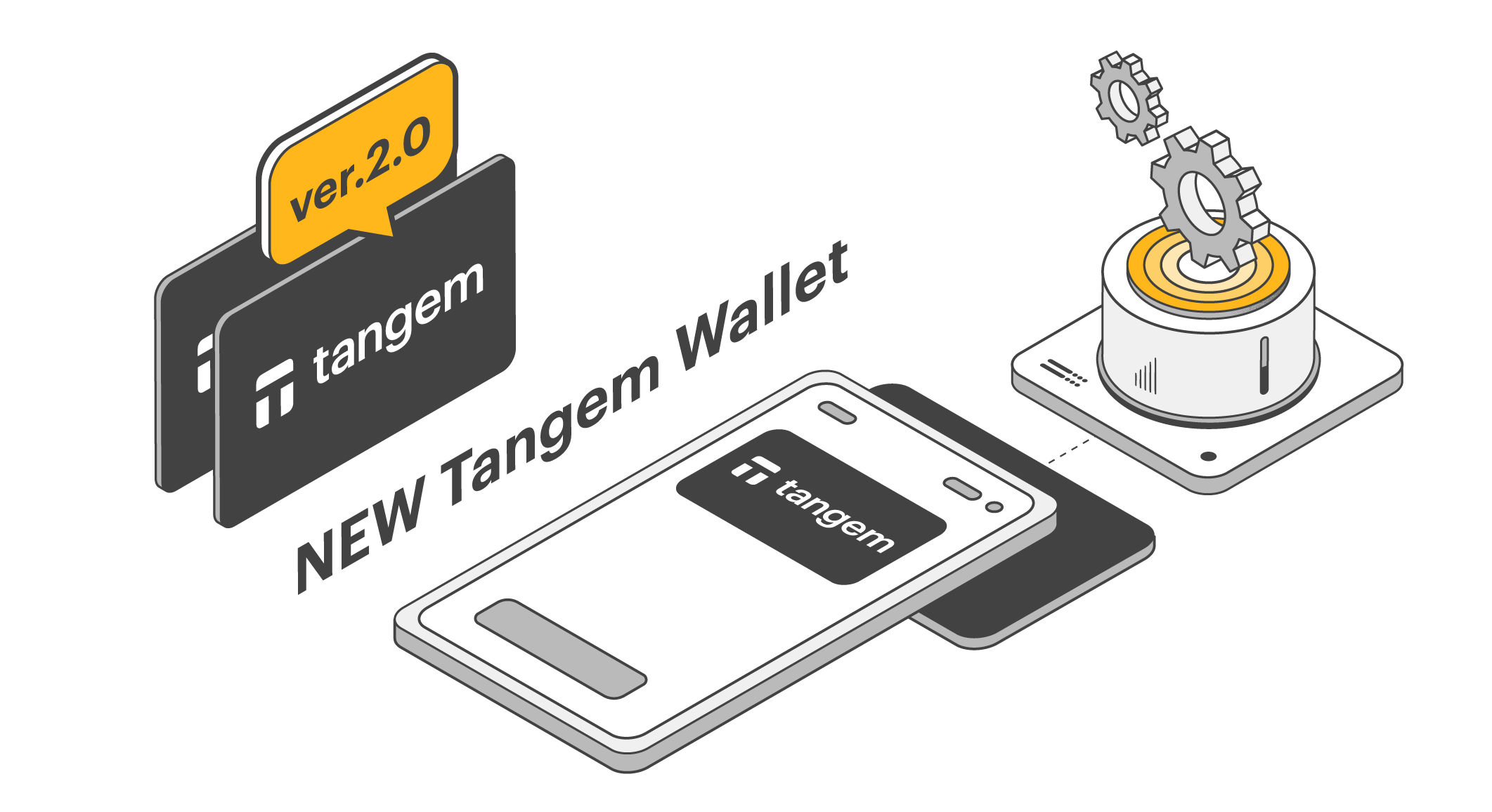
What using a card-wallet actually feels like (and why people love it)
Walk with me here. You know how weird it feels to bring a hardware dongle to a coffee shop? It’s clunky. The Tangem card removes that friction. It feels like carrying a bank card, except it’s a non-custodial key in your pocket. My biased take: convenience beats novelty when the security model is clear. The tangem wallet ecosystem—if you decide to try it—leans into that simplicity, giving an app interface that most folks pick up in minutes. Wow!
Security-wise, the card’s secure element is designed so the private key never leaves the chip. Medium-length technical aside: that means signatures happen on-chip, and the phone simply requests signed messages. Longer thought: because the key is non-exportable, malware on a phone can’t just yank a seed phrase; they’d still need the physical card and NFC interaction to sign transactions, which raises the bar substantially for remote attackers.
Still, it’s not magic. There are usability trade-offs for power users who run multisig setups, require advanced scripting, or need open firmware auditability. On one hand the card is delightfully simple. On the other hand power users might miss the flexibility of a Ledger or the developer-friendly surface of some air-gapped solutions. On balance, for a large swath of people who want practical cold storage that they actually use (instead of losing interest and leaving coins on exchanges), the card makes holding crypto less intimidating.
I’ll be honest: this part bugs me a little—the marketing sometimes makes the card sound like an all-in-one replacement for every hardware wallet scenario. It’s not. If you’re storing institutional-level amounts or running complex smart contract interactions frequently, you’ll want to layer in other tools. But for retail users who value portability and ease, somethin’ like a Tangem card hits a sweet spot that’s very very hard to beat.
Let’s talk UX. The app pairing is straightforward. Tap to sign. Tap to confirm. No plugging. No remembering long seed phrases on the spot. That’s a relief on a live street corner. My instinct says the real win here is behavioral: people who actually secure their keys because the process fits their life end up more secure overall, paradoxically—and that’s the human angle most hardware wallet makers miss.
Now, practicalities: what if you lose the card? Short answer: plan ahead. Don’t be casual about backups. Medium answer: use backup cards, store them separately, or employ a multisig scheme. Longer thought: if you treat the card as a single-factor access token then losing it is like losing cash; but if you design a recovery flow that involves additional trusted elements, you can mitigate that risk without losing the convenience.
Real-world pros and cons
Pros — quick list: portability, NFC convenience, no cords, a small attack surface for remote exploits, good for everyday access. Seriously? Yes. Cons — physical loss risk, fewer advanced features than some competitors, and a reliance on the card issuer’s firmware and manufacturing integrity. My experience is that most ordinary users accept those trade-offs happily, and they sleep better knowing their keys aren’t sitting on a phone or an exchange.
One more nuance: interoperability. Cards increasingly support a broad range of chains and standards, but sometimes new tokens or niche chains lag behind. So if you’re constantly chasing the very latest manual token deployments, be prepared to hold off or use other tools. On the flip side, for mainstream assets the support is typically solid.
Oh, and another small gripe—cards can get bent or scuffed if you cram them in the wrong pocket. That sounds petty, but it’s a real-world failure mode. Keep it in a sleeve or a card slot, not the same pocket you toss receipts into.
Who should consider a card-based hardware wallet?
Short answer: everyday users who want a tactile, easy-to-use non-custodial option. Medium answer: folks who value portability and want something they can carry like a driver’s license or debit card. Longer thought: if you travel, commute, and like quick interactions from your phone without plugging into a laptop, a Tangem-style card can change how frequently you use crypto, and that increased familiarity often leads to smarter security habits.
I’m biased toward tools people actually use. If a security product sits in a drawer because it’s inconvenient, it’s failing. The card gets used. That matters. Also, for small business owners who accept crypto at point-of-sale, tapping a phone to a card for multisig approvals can simplify operations—though test thoroughly before relying on that for revenue flows.
FAQ
What happens if I lose my Tangem card?
Answer: If you lose a single card without backups, you may lose access to those keys. That’s why backup cards, offline backups, or a multisig approach are recommended. Treat the card like cash or a passport—plan for loss proactively.
Is a card safe for large holdings?
Answer: It can be, if you combine it with a robust backup and custody plan. For very large sums, many people split holdings across multiple cards, cold storage devices, or multisig setups held in different locations. I’m not 100% sure about any one-size-fits-all answer—context matters a lot.
Can I use the card offline or on an air-gapped phone?
Answer: The card itself requires NFC interaction for signing, so you need a device with NFC capability. Some workflows let you construct transactions offline and sign via NFC, but the exact steps depend on the wallet software and chain. Test the flow before you rely on it in a pinch.